Why High-Potency Pet Edibles Are Changing the Way We Care for Our Animals
For years, the pet wellness industry focused on basic nutrition and standard supplements. But something has shifted. Owners are now looking for products that address specific issues like anxiety, joint discomfort, and age-related decline with the same seriousness they give their own health choices. That shift has brought a category into the spotlight that few people anticipated: high-potency pet edibles.
These aren't your average treats. They represent a new tier of formulation, one that draws on decades of research into the endocannabinoid system and the role of hemp-derived compounds in managing physiological stress. Whether you're dealing with a nervous rescue dog or a stiff senior cat, the options available today go far beyond the old-school biscuit. But with potency comes questions. Understanding what makes these products effective, and how to choose safely, matters more now than ever.
The Biology Behind the Treats
Animals, like humans, have an endocannabinoid system. This network of receptors runs through the brain, organs, and immune cells, helping regulate mood, pain perception, appetite, and stress. Phytocannabinoids found in hemp interact with those receptors, which is why compounds like CBD can promote calm without sedation. That biological foundation is what makes pet cbd treats such a compelling option for owners who want to avoid heavy pharmaceuticals.
The difference with high-potency pet edibles is concentration. Standard treats might offer 2 to 5 milligrams of CBD per serving. Higher-potency versions can deliver 10, 15, or even 20 milligrams, depending on the formula and the animal's size. That matters for larger dogs, animals with chronic conditions, or pets that simply don't respond to lower doses. The key is that the potency has to come from clean, well-tested extraction methods, not from cutting corners with synthetics.
What to Look for in a Formula
Not all products are created equal. Some of the most trusted names in the space include Nuleaf Naturals, known for their full-spectrum hemp oil, and Green Roads, which has built a reputation for pharmacist-formulated products. Charlotte's Web, another well-known brand, uses proprietary hemp genetics to maintain consistent cannabinoid profiles. These companies invest in third-party testing, which is something you should demand from any brand you buy.
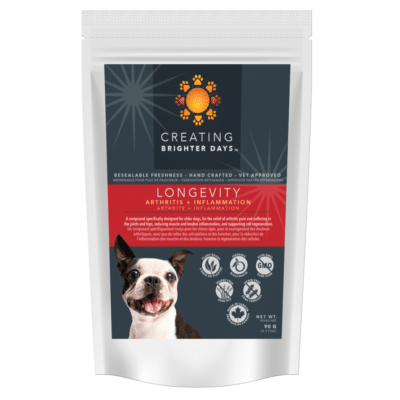
When you browse labels, look for specific markers. The product should list the total milligrams of CBD per treat, not just per container. It should also show the source of the hemp, the extraction method, and whether it contains other beneficial compounds like minor cannabinoids and terpenes. A product that only says "hemp extract" without specifics is a red flag. High-potency pet edibles from reputable makers will always be transparent about what's inside, because they know their customers are informed.
Common Ingredients That Complement Cannabinoids
- Chamomile and valerian root for added calming support
- Glucosamine and chondroitin for joint and mobility help
- Turmeric or ginger for natural anti-inflammatory effects
- Omega-3 fatty acids for skin, coat, and cognitive health
- Melatonin (carefully dosed) for sleep regulation in anxious pets
These additions don't replace the cannabinoids, but they create a synergistic effect that can make the whole formula more effective. That's especially true for older pets dealing with multiple issues at once.
Real-Life Applications for Dogs and Cats
Dog owners have the widest selection, and for good reason. Anxiety relief for dogs is one of the most common reasons people seek out these products. Separation anxiety, noise phobias from thunderstorms or fireworks, and car sickness all respond well to CBD. Cbd dog chews are the most popular format, but oils and tinctures also work well for finicky eaters. Brands like Pet Releaf and Apawthecary offer both, and they've been around long enough to have a track record.
Cats are a different story. Their metabolism is more sensitive, and they don't always tolerate the same carriers or flavorings that dogs enjoy. Cbd for cats is a growing niche, and products like those from Pawtrait are formulated specifically for feline physiology. The doses tend to be lower, but the potency still matters. A high-potency pet edible for a cat might be 5 milligrams instead of 15, but the concentration must be reliable so you can give a fraction of a treat without guessing.
Veterinary CBD and the Role of Professional Guidance
The veterinary community has been cautious, and that's understandable. Not every vet is comfortable recommending products they haven't studied in depth. But veterinary cbd is becoming more accepted as research accumulates. Some clinics now carry their own lines or partner with brands like Veritas Farms, which emphasizes full transparency in their growing and extraction processes.
Before you start any regimen, it's smart to talk to your vet. They can help you determine the right starting dose and watch for any interactions with existing medications. That's especially important for pets on NSAIDs or thyroid medication, because cannabinoids can alter how those drugs are metabolized. A good vet won't dismiss the idea, but they will want to see lab reports and ingredient lists before giving a green light.
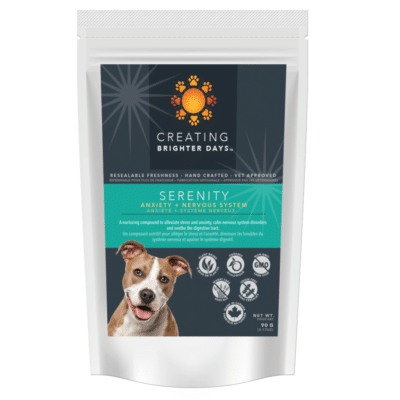
Signs That Your Pet Might Benefit
- Excessive panting, pacing, or hiding during stressful events
- Stiffness when rising from a lying position or climbing stairs
- Reduced appetite or changes in drinking habits
- Over-grooming or skin irritation that doesn't resolve
- Vocalizing more than usual, especially at night
These behaviors don't always mean a serious medical condition, but they do suggest that the animal's quality of life could be improved. Nutraceuticals for pets, including high-potency edibles, are designed to address exactly these kinds of low-grade but persistent issues.
The Difference Between Hemp Treats and CBD Isolate Products
Pet hemp treats often contain whole-plant hemp powder or oil, which includes trace amounts of THC (below 0.3 percent in federally legal products). That's not enough to cause intoxication, but it can contribute to what researchers call the "entourage effect," where multiple cannabinoids work together more effectively than CBD alone. Products that use hemp oil from brands like Kush Pet Health or Bark and Spark rely on this full-spectrum approach.
On the other hand, CBD isolate products use purified cannabidiol. They're more predictable in terms of dosing, but they lack the minor cannabinoids and terpenes that some animals seem to need for full relief. Which one is better depends on your pet. For a dog with mild situational anxiety, an isolate treat might be perfect. For a cat with chronic joint inflammation, a full-spectrum option could give better results. The important thing is to match the product to the condition, not the other way around.
Practical Tips for Starting Out
Start low and go slow. Even with high-potency pet edibles, you don't have to use a full serving on day one. Break the treat into quarters or halves and observe your pet over the next few hours. Look for changes in behavior, appetite, and energy level. If you see positive effects without drowsiness or digestive upset, you can gradually increase the dose.
Store the treats properly. Heat and light degrade cannabinoids over time, so keep them in a cool, dark place. The original packaging is usually best, but an airtight glass jar works too. Check the expiration date before each purchase, and don't stockpile more than a two-month supply unless you're certain your pet will use it.
Watch for quality markers like batch-specific QR codes that link to lab results. Companies like Nuleaf Naturals and Charlotte's Web provide these, and they make it easy to verify that what's on the label matches what's in the bag. If a brand doesn't offer that level of transparency, move on. There are too many good options to settle for guesswork.

A Balanced Perspective on Safety and Expectations
High-potency pet edibles are not a cure-all. They work best when combined with good nutrition, regular exercise, and proper veterinary care. They also require patience. Some pets respond within twenty minutes, while others need a week of consistent dosing before the effects become noticeable. That variability is normal, and it's one reason why professional guidance is so valuable.
The market has matured quickly. Five years ago, finding a reliable product meant sifting through dozens of unlabeled bottles and hopeful claims. Today, brands like Veritas Farms, Pet Releaf, and Apawthecary have set a standard that raises the bar for everyone. Their willingness to invest in real research and transparent labeling has made it possible for owners to make informed choices. That's good for pets, and it's good for the industry.
If you're considering high-potency pet edibles for your own animal, take the time to learn about the endocannabinoid system, read labels carefully, and talk to a vet who stays current on hemp research. The effort pays off in better outcomes and fewer surprises. And that's what responsible pet care is all about.